
Exploring the psychology of gambling in casinos
- September 2, 2026
- public
- Comments Off on Exploring the psychology of gambling in casinos
- admin
The Allure of Chance
The psychology behind gambling is deeply rooted in the allure of taking risks and the thrill associated with uncertain outcomes. This attraction is not merely a whimsical inclination; rather, it taps into fundamental human emotions. People are naturally drawn to situations that promise excitement, and casinos are meticulously crafted to amplify this sense of adventure. Many players find themselves exploring options like casino online nz for an exhilarating experience. The anticipation felt while waiting for a roulette wheel to stop or a slot machine to reveal its results can trigger a rush of dopamine, the brain’s feel-good neurotransmitter. This biochemical response creates a powerful association between gambling and pleasure, making it difficult to resist the temptation to engage again.
Moreover, the concept of chance plays a crucial role in gambling psychology. Many individuals find the unpredictability of games compelling; the idea that anyone can win at any moment adds an extra dimension to the experience. This randomness is often perceived as an opportunity for success, which can lead players to develop a skewed sense of probability. As a result, they may underestimate the risks involved and overestimate their chances of winning, perpetuating a cycle that encourages continued play. This cognitive distortion can lead individuals to chase losses, convinced that their next bet will yield the jackpot.
In addition to the thrill of chance, the social aspects of gambling also contribute to its appeal. Casinos foster environments where people can interact and share experiences, whether through group games or simply being surrounded by fellow players. The camaraderie experienced in these settings enhances the enjoyment of gambling, making it feel like a shared adventure rather than a solitary endeavor. The combination of excitement, unpredictability, and social interaction creates a potent mix that attracts individuals to casinos in droves, reinforcing not just the desire to play, but also to connect with others in a high-stakes environment.
The Role of Cognitive Biases
Cognitive biases significantly influence how people perceive gambling outcomes and make decisions in casinos. One prominent bias is the “gambler’s fallacy,” where players mistakenly believe that past events affect future ones. For example, if a player observes several losses at a slot machine, they may irrationally conclude that a win is “due” to occur soon. This misunderstanding of probability leads players to continue betting, hoping for a favorable outcome that is statistically unlikely. Such thinking can spiral into a series of poor decisions, leading to increased financial losses and a deepening attachment to the game.
Another cognitive bias that plays a role in gambling is confirmation bias. When gamblers experience a win, they often remember and emphasize these instances while downplaying or forgetting their losses. This selective memory reinforces the belief that they have a winning strategy or that luck is on their side. This cognitive distortion can lead to problematic gambling habits, as players may continue investing time and money based on an inflated sense of confidence and success. The more they win, the more they believe in their perceived skill, further entrenching them in their gambling habits.

Moreover, the impact of near misses cannot be overstated. In many casino games, players often experience situations where they almost win, such as landing two out of three winning symbols on a slot machine. These near misses can trigger psychological responses that are surprisingly rewarding, leading players to feel as though they were close to winning, even when they did not. This can create a false sense of capability and encourage continued play, despite a lack of actual success. The thrill of being ‘so close’ can be intoxicating, leading to repeated attempts in the hopes of achieving that elusive win.
Emotional Dynamics in Gambling
The emotional experience of gambling adds another significant layer to its psychological allure. For many individuals, casino environments provide an escape from daily life, offering a chance to indulge in a fantasy world filled with excitement and potential rewards. The atmosphere of casinos—bright lights, sounds of winning machines, and the buzz of activity—can create a sensory overload that enhances the emotional highs associated with both winning and losing. This immersive environment can lead to a heightened state of arousal, making each play feel more significant and impactful.
Moreover, emotions such as excitement, joy, and even frustration can amplify the overall gambling experience. A win may elicit feelings of euphoria, while a loss can lead to anger or sadness. However, this emotional rollercoaster is a double-edged sword; while it can be thrilling, it can also lead to unhealthy patterns of behavior. Some players may chase losses, hoping to recapture the joy of winning and disregarding the potential negative consequences of their actions. This chase can lead to a cycle of emotional highs and lows, further entrenching individuals in their gambling habits.
Additionally, the ability to gamble anonymously can alter emotional dynamics. For some players, the casino offers a space where they can express themselves freely without fear of judgment. This anonymity can be liberating, allowing individuals to explore their desires and emotions in a safe environment. However, it can also contribute to reckless behavior, as the lack of accountability may lead players to engage in excessive gambling without considering the repercussions. The emotional release found in gambling can feel empowering, but it can also dangerously blur the lines between enjoyment and addiction.
The Influence of Environment on Gambling Behavior
The design and ambiance of a casino have a profound effect on gambling behavior. Casinos are strategically designed to create an immersive experience that encourages prolonged play. From the layout of the gaming floor to the absence of clocks and windows, every aspect is tailored to keep players engaged and minimize distractions. This sensory environment can make it difficult for gamblers to maintain a sense of time and make rational decisions about their spending. The architecture, lighting, and overall aesthetic are crafted to envelop players in an experience that feels limitless.
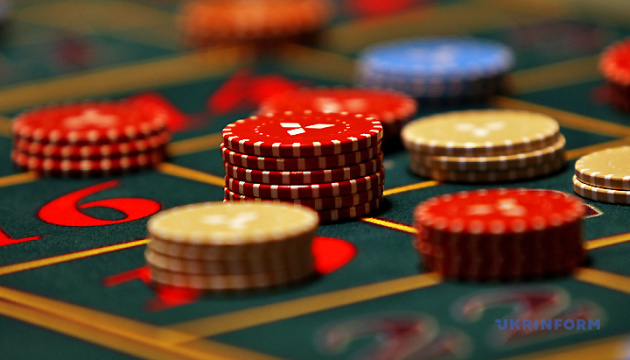
Furthermore, the use of music and lighting influences the atmosphere and can heighten emotional responses. Upbeat music and bright lights can stimulate excitement, making players more inclined to take risks and continue playing. In contrast, softer lighting and slower music can create a more relaxed environment, which may encourage players to linger and extend their gaming sessions. This careful orchestration of sensory cues contributes significantly to the psychological draw of casinos, as the environment plays a crucial role in shaping the behavior and mindset of gamblers.
Another important environmental factor is the presence of rewards and incentives. Casinos often use loyalty programs and bonuses as motivators for players to return. These schemes create a sense of attachment and reward, reinforcing the behavior of frequent gambling. When players feel valued and recognized for their patronage, they are more likely to return, potentially leading to a cycle of gambling that can be hard to break. This creates an environment where the allure of winning is consistently paired with the reinforcement of loyalty, further embedding players into the casino culture.
Exploring Online Resources for Gambling Insights
For those interested in delving deeper into the psychology of gambling, a wealth of resources is available online. Many educational websites and research publications explore the complexities of gambling behavior, cognitive biases, and the emotional dynamics associated with gambling. These resources can provide valuable insights for both casual players and those seeking to understand the psychology behind their behaviors. Understanding these nuances can empower individuals to approach gambling with a critical mindset that encourages responsible play.
Additionally, online forums and communities allow individuals to share their experiences and learn from one another. These platforms can serve as support networks, helping people recognize problematic gambling habits and offering suggestions for responsible play. Engaging with others can foster a sense of community and accountability, which is essential for promoting healthier gambling behaviors. The shared experiences often lead to collective learning, enabling individuals to identify their triggers and develop strategies for moderation.
Finally, many websites offer information about responsible gambling practices and resources for those seeking help. Understanding the psychological aspects of gambling can empower individuals to make more informed choices, whether they are playing for fun or seeking assistance for gambling-related issues. By educating themselves, players can cultivate a healthier relationship with gambling and enjoy the entertainment it provides while minimizing potential risks. Access to these resources is crucial in fostering awareness and encouraging responsible engagement in the gambling experience.


Recent Comments